


METRONET Victoria Park | Public Art Glass Installations
%20facade.webp)
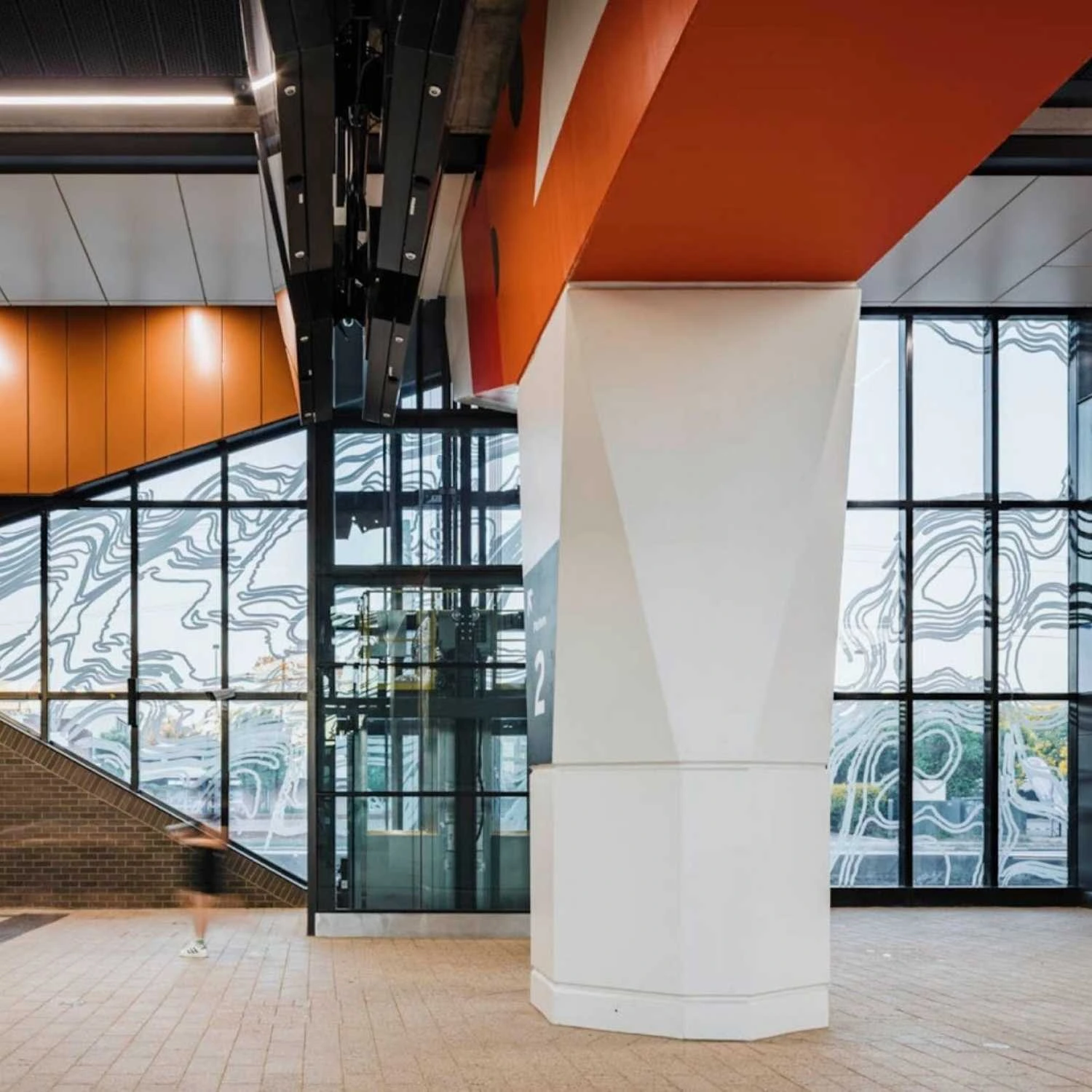
Artworks by Jon Tarry, Yondee Shane Hansen, and James Morton are brought to life across a vibrant, 1,004 sqm printed glass installation at multiple stations on Metronet’s Victoria Park Rail Crossing Removal. This case study reviews the project, focusing on the process of translating the artists original designs onto Low-E glass panels using ImagInk digital glass printing, merging creative public art outcomes with durable, long-lasting architectural glass solutions.
Introducing an Experience-Driven Public Transport Environment
The METRONET Victoria Park–Canning Level Crossing Removal project is one of Perth’s most significant rail transformation programs, elevating the Armadale Line and delivering new elevated stations at Carlisle, Oats Street, Queens Park, Cannington and Beckenham. Beyond improving safety, reducing congestion and reconnecting communities long divided by rail, the project is also reimagining how passengers experience public art within a public transport environment.
Each new station has been designed as both a transport hub and a cultural touchpoint, integrating high-performance printed glass artworks that celebrate local identity, place and Noongar storytelling. The works of artists including Jon Tarry, Yondee Shane Hansen and James Morton have been embedded into the built form from the earliest design stages. Artify Consulting worked closely alongside project design teams to coordinate the artists, ensuring their concepts were translated faithfully into large-scale, station-specific glass installations.
Working with the Public Transport Authority, METRONET project partners and the commissioned artists, Cooling Brothers along with Vertex Facades delivered laminated architectural glass engineered to withstand heavy public use while retaining fine detail, colour accuracy and textural richness of a series of stunning artworks.
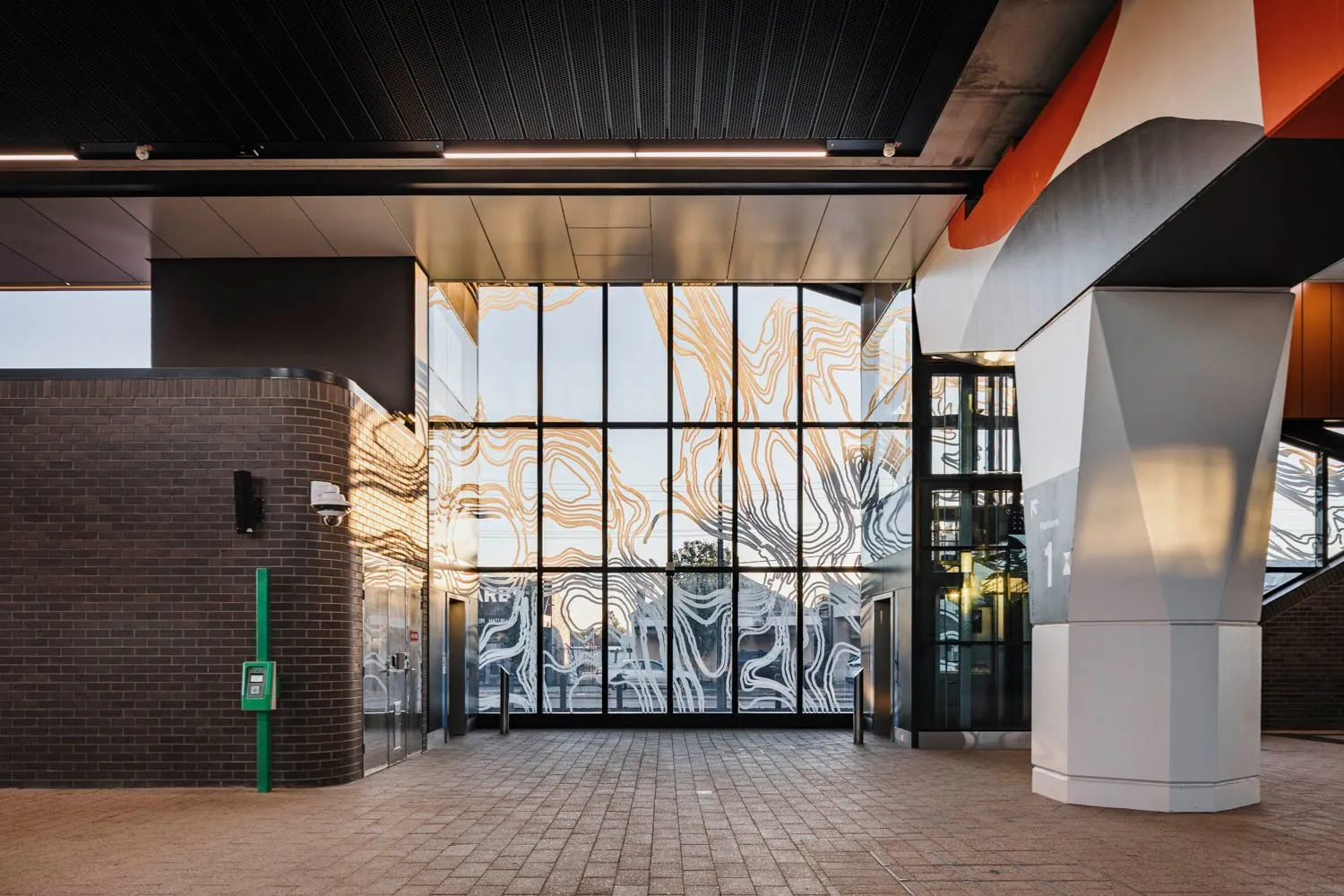
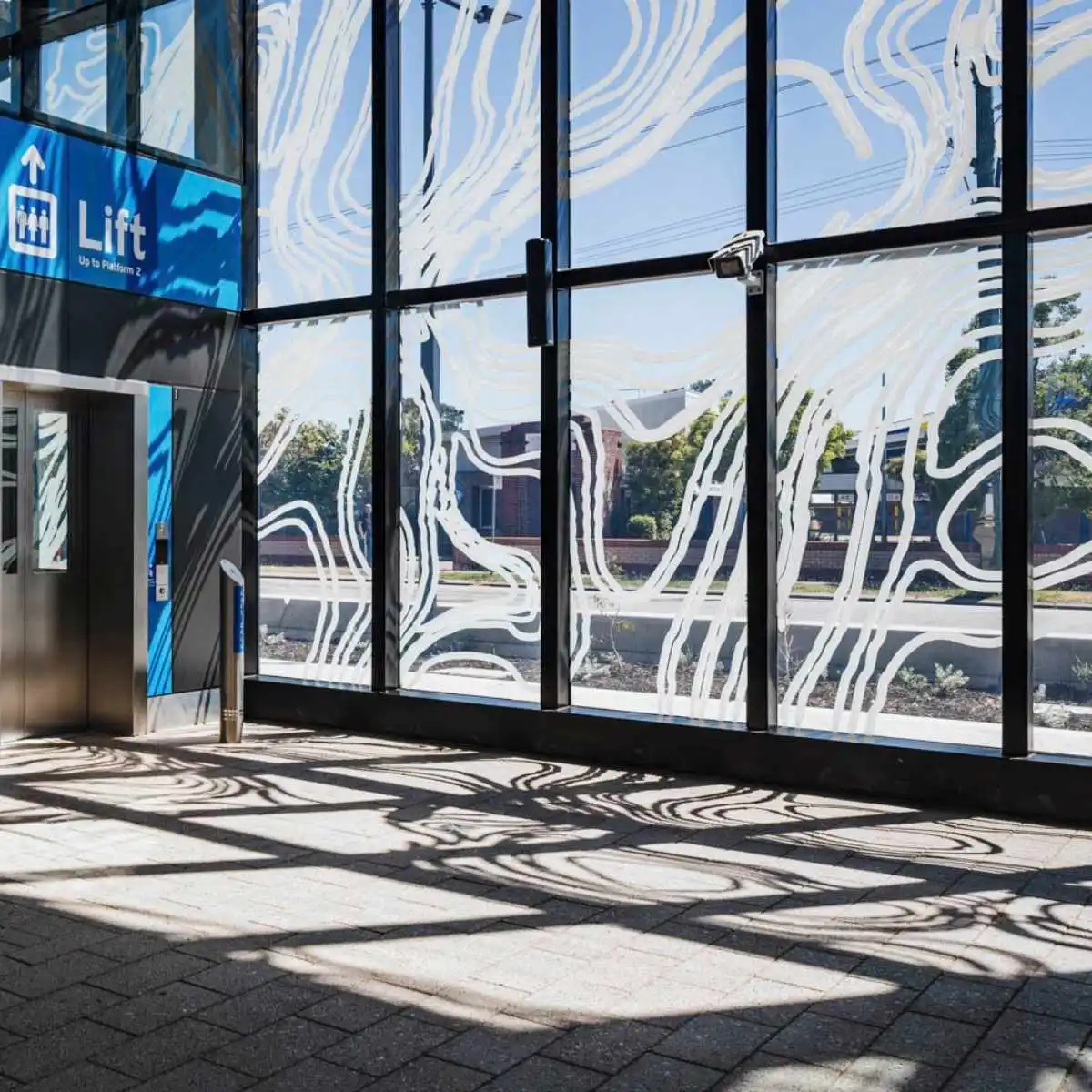
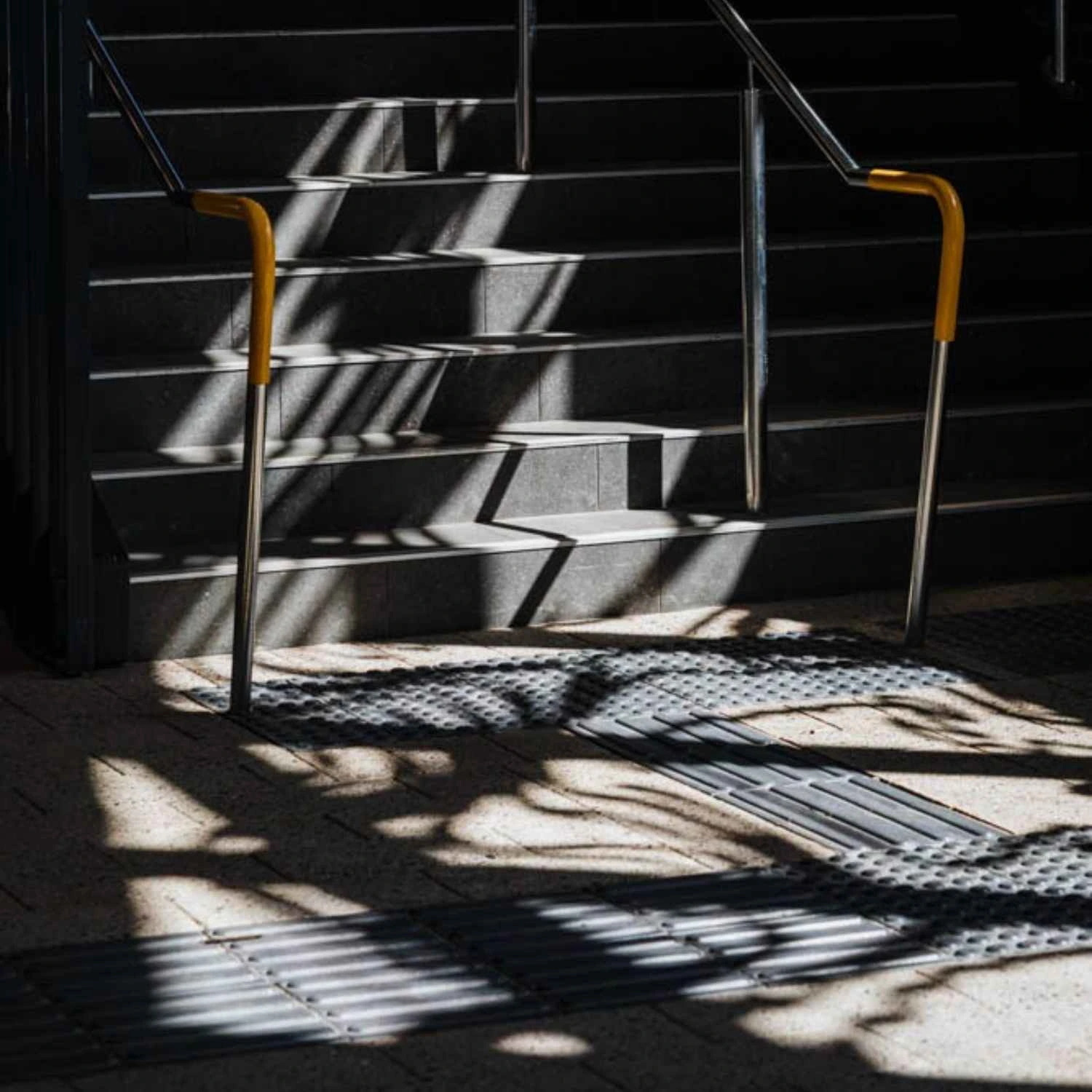
As sunlight passes through the printed surface, the station artworks cast dynamic shadows and coloured reflections across floors and walls, creating a constantly changing visual experience throughout the day. This interplay of light and glass brings the artwork to life, engaging passengers while maintaining thermal performance outcomes.
Translating Complex Artistic Narratives Into High-Performance Glass
Working closely with METRONET’s design team, the Public Transport Authority, and the three artists - Jon Tarry, Yondee Shane Hansen, and James Morton - each artwork was first developed with the specific station environment in mind. The artists produced individual compositions representing Country, movement, and narrative identity, aligning each piece with the cultural and geographic significance of its paired station.
To ensure each artwork could be integrated seamlessly into the built environment, the early conceptual phase involved mapping the artworks onto station elevations and glass schedules, using schematic axonometric drawings supplied by TARMACstudio. These drawings showed how passenger flows, lighting conditions, and sightlines would interact with the panels. The artists refined their linework accordingly, ensuring clarity, scale, and cultural meaning were maintained once printed at large format.
Detailed station-by-station schematics allowed the design team to visualise how each artwork would read across multi-panel glass facades. This collaborative process ensured artistic integrity while meeting the engineering and fabrication requirements of a major public transport project.
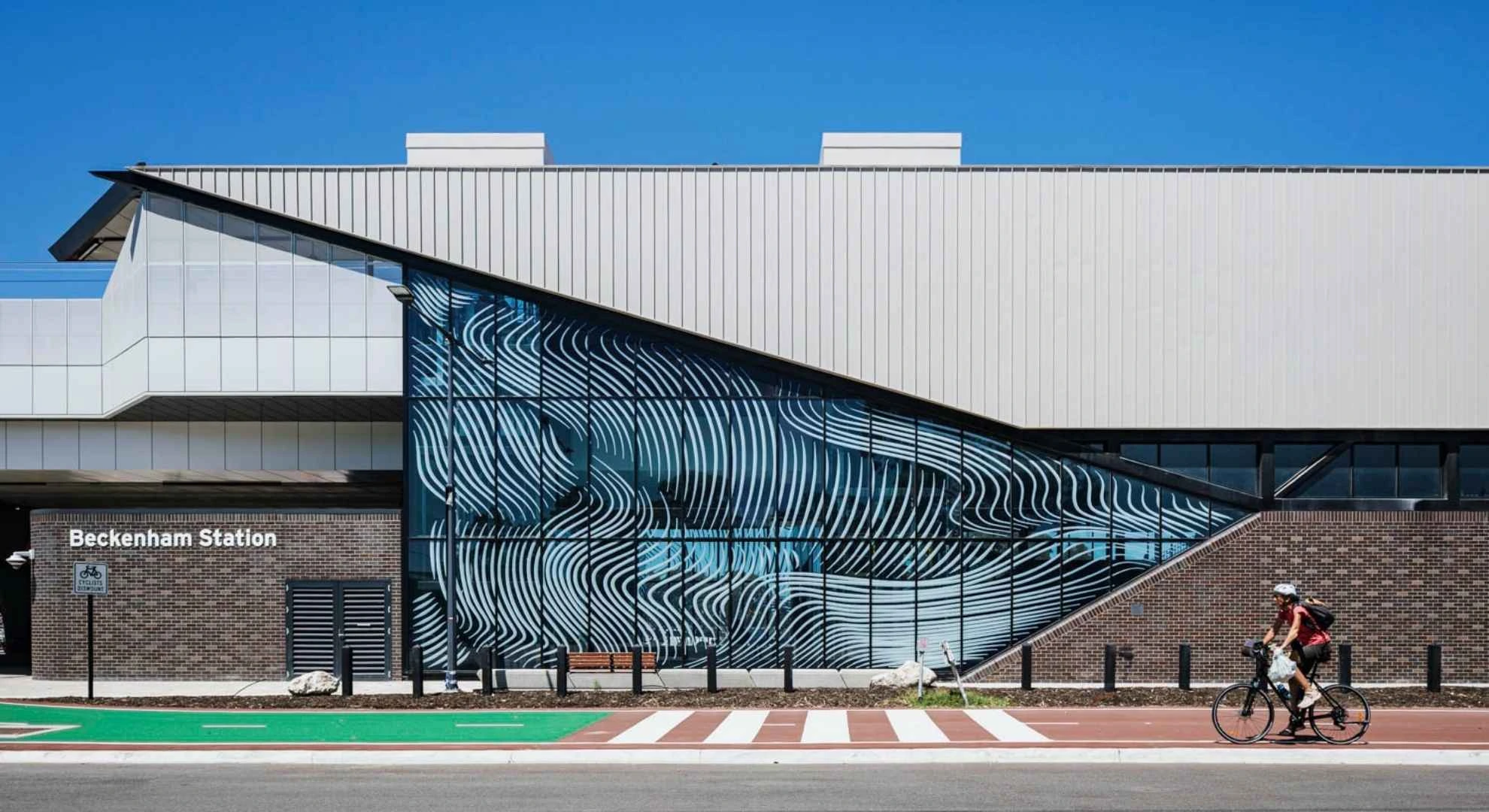
Cultural Narratives: Powerful Wayfinding Elements
Each artwork incorporates Noongar cultural narratives and local environmental themes, transforming everyday transit spaces into immersive, site-specific cultural experiences. Each panel is designed to interact with station lighting and passenger movement, ensuring the artworks remain vibrant, durable, and engaging for the lifetime of the stations.
Artworks and Associated Stations:
- Djooralup – Carlisle Station
- Mundee – Oat Street Station
- Boree Boree – Queens Street Station
- Djarlgarra – Beckenham Station
- Karakaliny – Cannington Station
The artworks also serve as critical wayfinding elements within station entries, concourses, and waiting areas. These powerful visual cues assist guiding passengers through the stations while enhancing the commuter experience, creating spaces that are functional, safe, and culturally resonant.
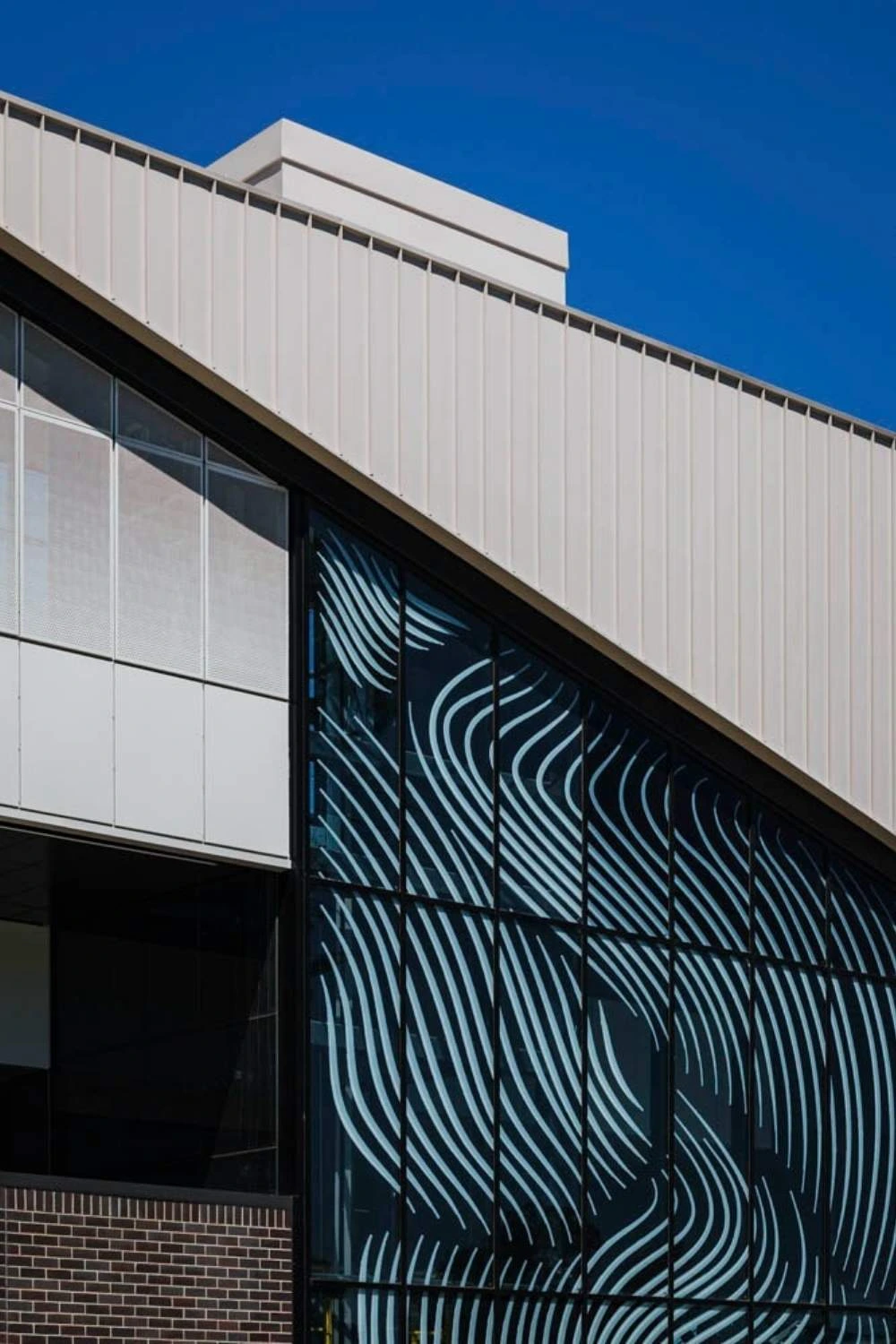
The artists produced individual compositions representing Country, movement, and narrative identity, aligning each piece with the cultural and geographic significance of its paired station.
Interactive Public Art: Capturing Sun Movements
Cooling Brothers’ printed glass panels transform each station interior into a vibrant, interactive public art feature. As natural light filters through the ImagInk interlayers, the artwork projects shifting colours, patterns, and subtle textures onto floors, walls, and surrounding surfaces. This dynamic interplay of light and glass creates an ever-changing environment, where the artwork evolves with the sun’s movement, offering passengers a visually engaging and immersive experience throughout the day.
Beyond its aesthetic appeal, this effect enhances wayfinding, subtly guiding users through station spaces while also creating a sense of place that celebrates local culture and storytelling. The constantly changing patterns stimulate curiosity and engagement, reducing the monotony of daily commutes and fostering a more welcoming, enjoyable environment. At the same time, the panels maintain high durability, colour fidelity, and thermal performance, ensuring that these artistic interventions remain visually striking and functional in high-traffic public transport settings for years to come.
Glass Specification, Panel Mapping & Fabrication
Glass manufacture involved ImagInk digital printing as the nominated process to transfer the artworks to the glass panels. For stations like Carlisle, where transparency and lightness were key, Clear glass met required thermal performance outcomes. In contrast, Oat Street, Queens Street, Beckenham, and Cannington stations featured laminated Low-E to balance privacy, light control, and visual impact. The artworks cover a total glass area of ~1,004 sq, with the digitally printed surface positioned on the external surface of the glass to maximise visual contrast.
Perth based Vertex Facades managed the design, fabrication, and installation of the glazed façade systems across all stations. Cooling Brothers worked closely with Vertex Facades to ensure the ImagInk printed panels aligned precisely with framing systems, tolerances, and installation sequencing across each station.
Glass Specification
- 13.52mm Soltech Neutral, Heat Strengthened
- 8mm Clear, Heat Strengthened
Fabrication Specification
- A bespoke façade system was designed by Vertex Facades to suit the projects unique architectural and installation requirements

Glass is elemental — heated earth, formed by rapidly cooling molten sand, soda and lime. Its disordered atomic structure gives it transparency, and although solid, it remains in a state of continuous fluidity. In commissioned artworks, a well-researched and articulated brief opens up possibilities rather than reducing scope - the Metronet project offers a near perfect example of such possibilities.
Jon Tarry
Visual Artist

